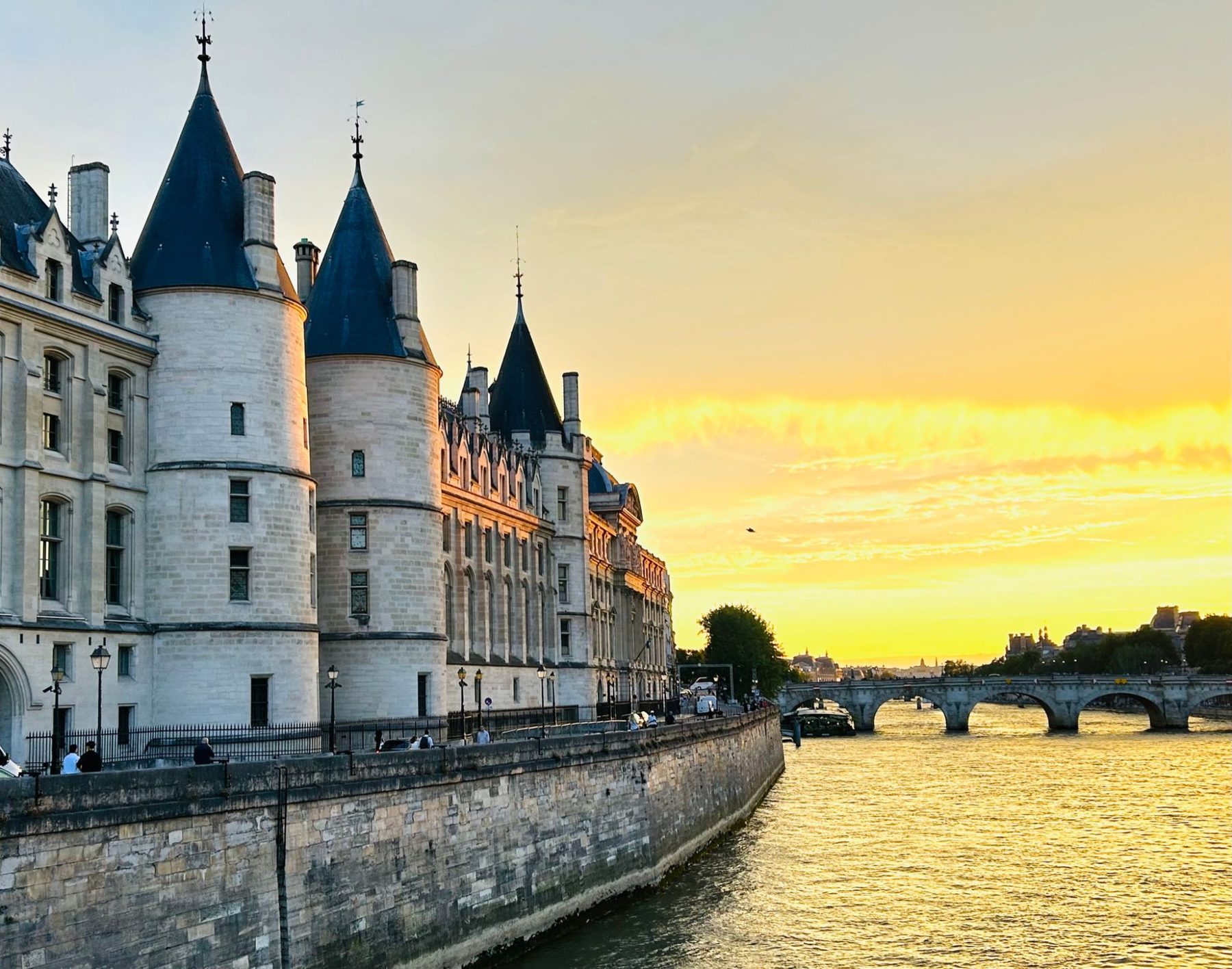
The towers of the Conciergerie at sunset. Photo: CitySpot
Dark history of Paris

Halloween in Paris: 5 Places That Will Give You Chills
This weekend: Halloween falls on Saturday, October 31. On Sunday, November 1, the Conciergerie is free (first Sunday of the month) and the Catacombs are open, with booking recommended. The police museum is closed on Sundays, and the Musée des Moulages only opens on weekdays, by appointment.
Paris has no shortage of mysterious, gloomy stories… Halloween is a chance to discover a few of them. Beneath its streets lie the bones of several million Parisians, its Gothic halls once held prisoners of the Revolution, and one private lane still whispers about a cursed house. For Halloween, here are five real places in Paris that will give you chills. Each one has a true story behind it.

The Catacombs
14th arrondissement · Denfert-Rochereau
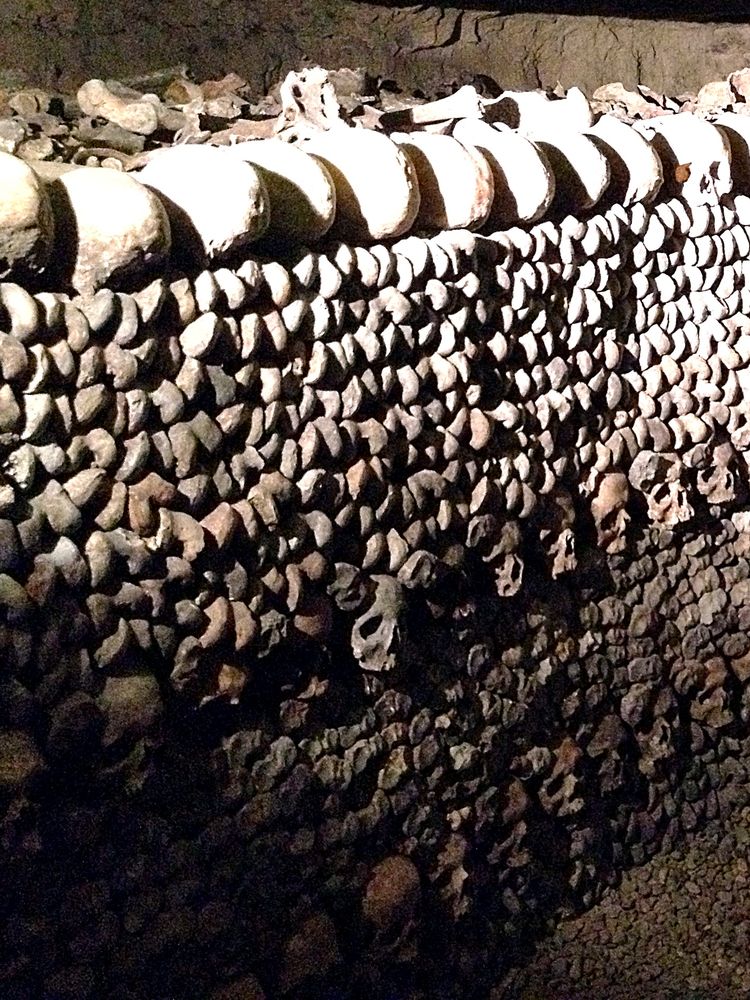
About 20 meters under the city, the bones of more than six million Parisians line the galleries of old limestone quarries. They were moved here from 1785, when the city's overflowing cemeteries became a health hazard; among them was the Cemetery of the Holy Innocents, whose Renaissance fountain still stands in Les Halles. In 1810 and 1811, the quarry inspector Héricart de Thury arranged the bones into the neat walls of skulls and femurs you see today. Visitors go down 130 steps into a constant 14 °C, so bring a jacket. At the door of the ossuary, an inscription gives the warning: “Stop! This is the empire of death.”
Musée de la Préfecture de Police
5th arrondissement · Latin Quarter
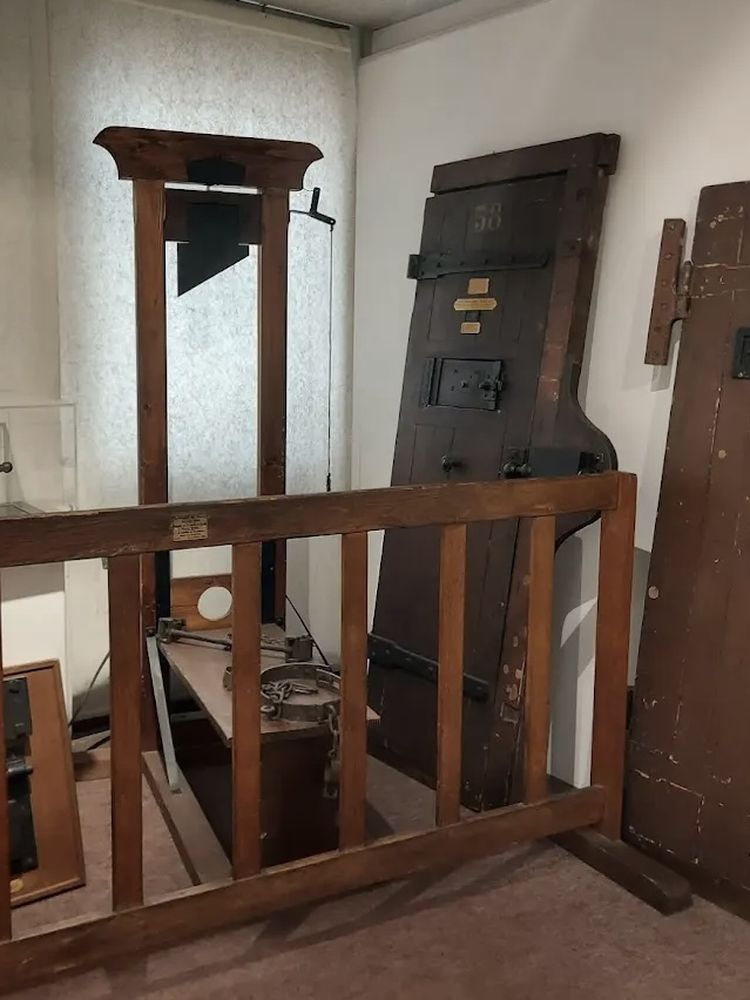
Hidden inside a working police station, this little-known museum was imagined in 1909 by the prefect Louis Lépine, using objects gathered for the 1900 World's Fair. It traces more than four centuries of crime and policing in Paris. Among its exhibits are a guillotine, prison cell doors and objects from famous criminal investigations, along with a room on Alphonse Bertillon, the pioneer of criminal identification. It is free, rarely crowded and quietly unsettling.
The Conciergerie
1st arrondissement · Île de la Cité
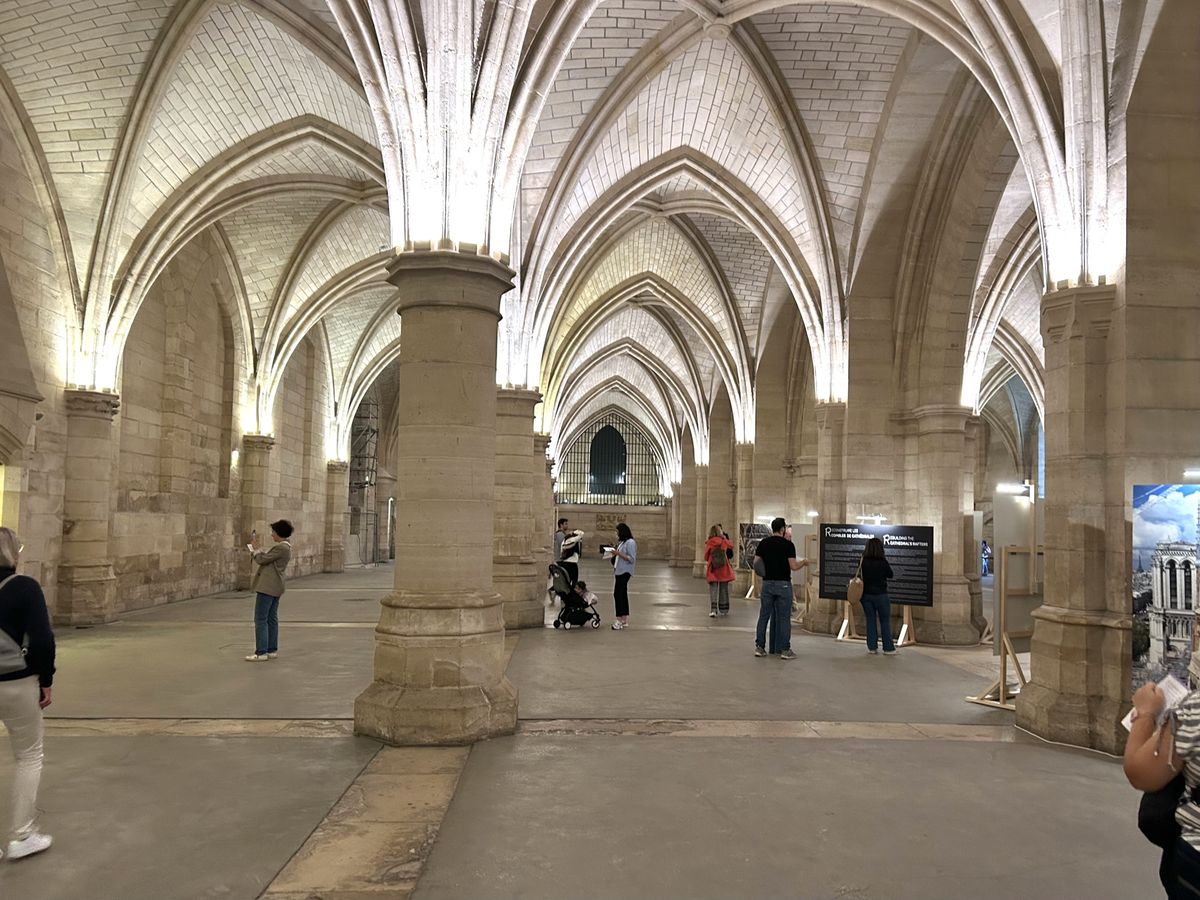
This medieval royal palace was turned into a prison after Charles V left it in 1364. Its vast Gothic hall, built under Philip IV in the early 14th century, is the largest non-religious Gothic hall in Europe. During the Revolution it became the most feared prison in France, the last stop before the guillotine: the Revolutionary Tribunal sentenced 2,780 people to death, and Danton, Robespierre and Charlotte Corday all passed through here. Marie-Antoinette arrived on the night of August 1, 1793, and stayed until her trial and execution on October 16. Her original cell was destroyed, but a memorial chapel stands on the spot and you can see a reconstruction of it.

Avenue Frochot
9th arrondissement · Pigalle
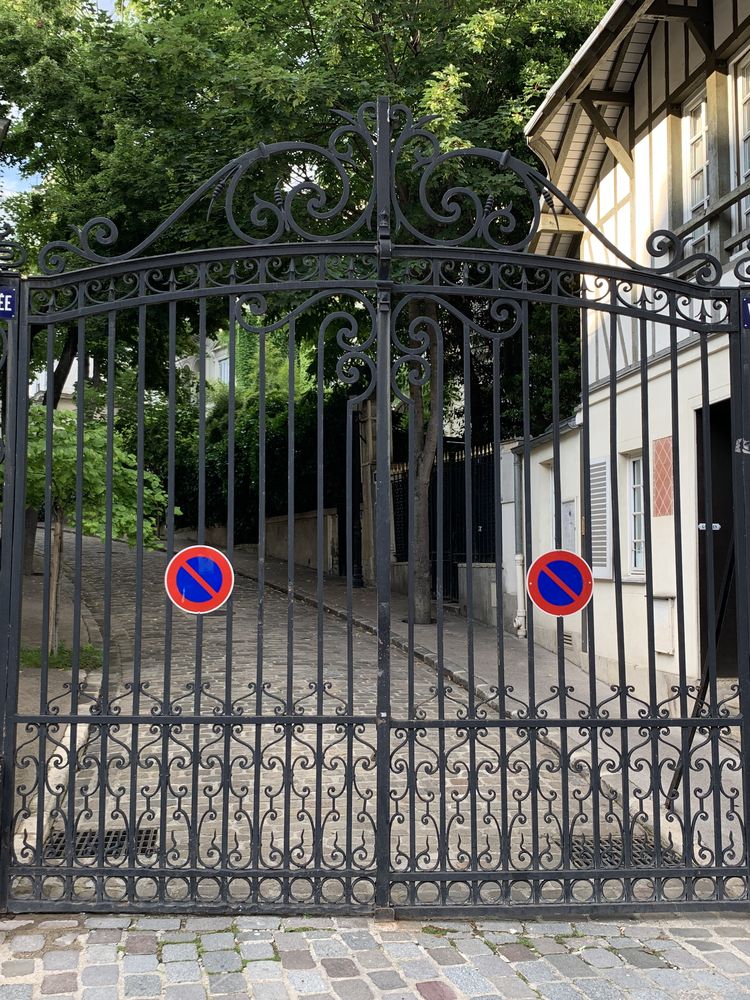
Behind this iron gate near Pigalle lies a private lane, closed to the public, lined with 19th-century houses where Alexandre Dumas, Toulouse-Lautrec and Django Reinhardt once lived. The darkest reputation belongs to the neo-Gothic house at number 1. According to the legend, the composer Victor Massé died paralysed there in 1884, another occupant died of the same illness a century later, and a maid was beaten to death on the stairs; her ghost is said to haunt the house. You can only look through the gate from the street, which perhaps makes it even more mysterious.
Musée des Moulages
10th arrondissement · Hôpital Saint-Louis
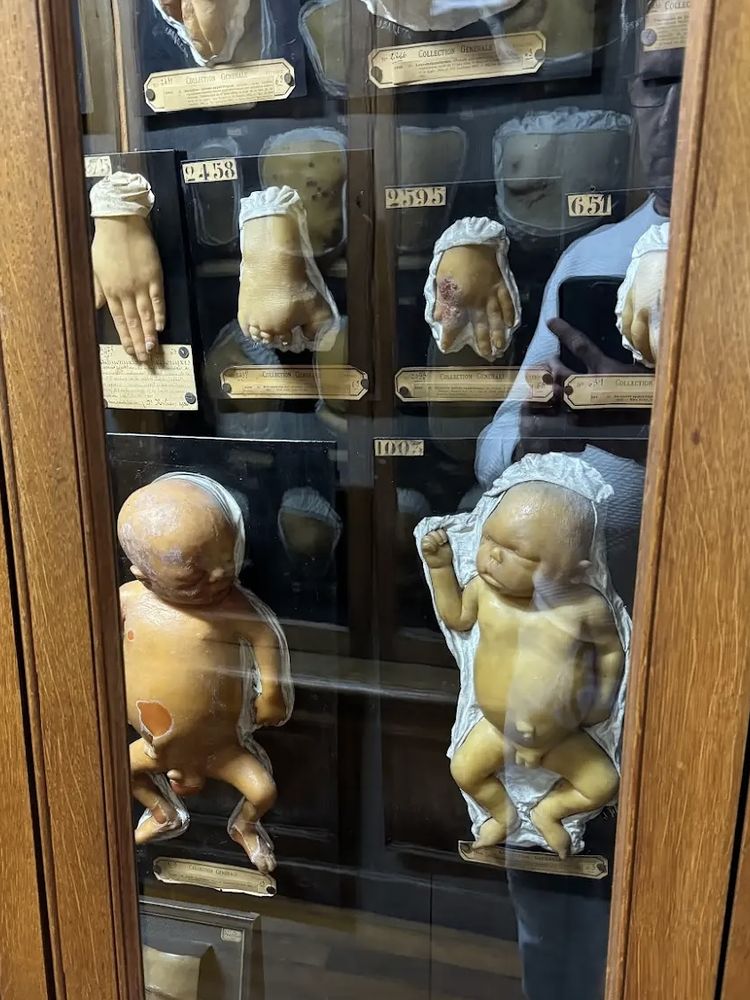
Inside the Hôpital Saint-Louis, founded under Henri IV in 1607 to isolate plague victims, a hushed museum holds nearly 4,800 hyper-realistic wax casts of skin diseases. In 1867, Dr Lailler asked the sculptor Jules Baretta to reproduce patients' faces and limbs in wax, so that doctors could be trained before colour photography existed. The method continued until 1958, and the museum building was inaugurated in 1889. Displayed in old wooden cases, these casts are fascinating and deeply disturbing. Not for the faint-hearted.
Before you go
Opening hours can change around the November 1 holiday, so check each site's website before you leave. Book the Catacombs in advance, as tickets sell out quickly. The Conciergerie and the police museum are about a ten-minute walk apart, on either side of the Seine, and make an easy spooky route.
The CitySpot Team

Explore Paris with CitySpot
Download the CitySpot app and turn your phone into an audio guide to discover 500 points of interest in Paris, as well as many themed walking tours across the city.